Operational infrastructure, ecommerce systems, AI integrations, and visual identity — built to work on Monday morning, not just look good in someone's portfolio.
Brand strategy, logo design, color systems, typography, packaging, custom illustration. Identity built to function in market — on a billboard, on a label, in a browser.
Squarespace builds, Shopify custom development, custom checkout flows, inventory management, payment integration. From product upload to fulfillment optimization.
Claude API workflows, content pipelines, inventory forecasting, decision support tools. AI that runs in the background and does its job without requiring a dedicated operator to babysit it. The test is whether you notice it's there.
Custom dashboards, real-time tracking, fulfillment optimization, multi-location systems, supplier management. Built for the constraints clients actually face.
Inventory systems. Fulfillment pipelines. AI integrations. The stuff that runs quietly in the background and only gets noticed when it breaks.
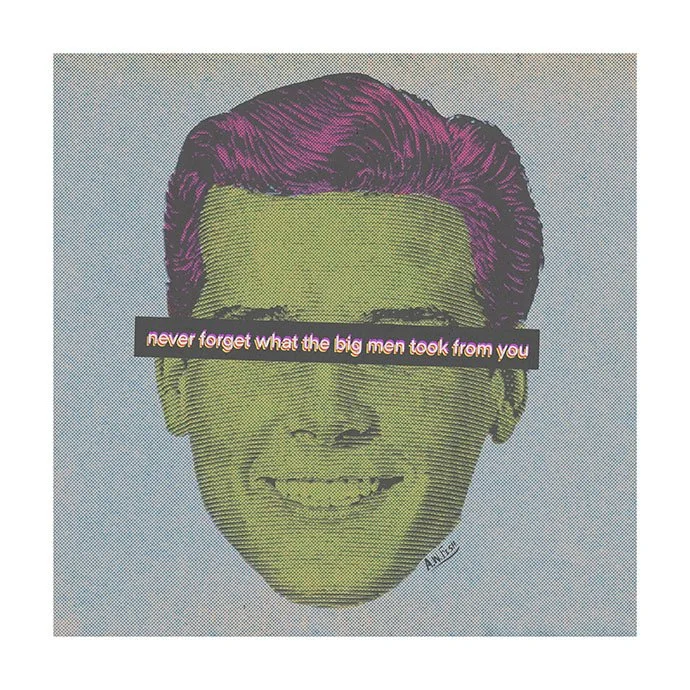
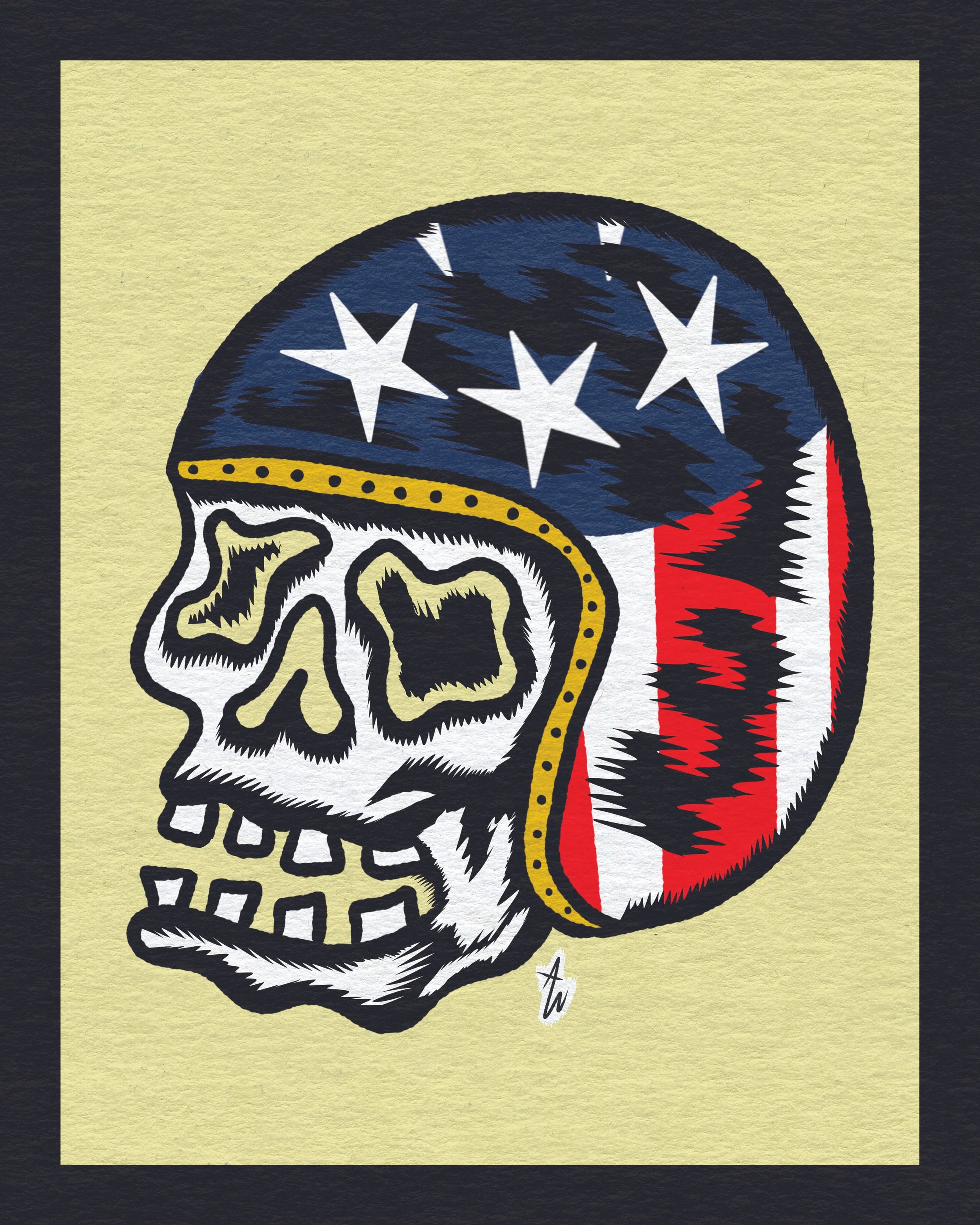
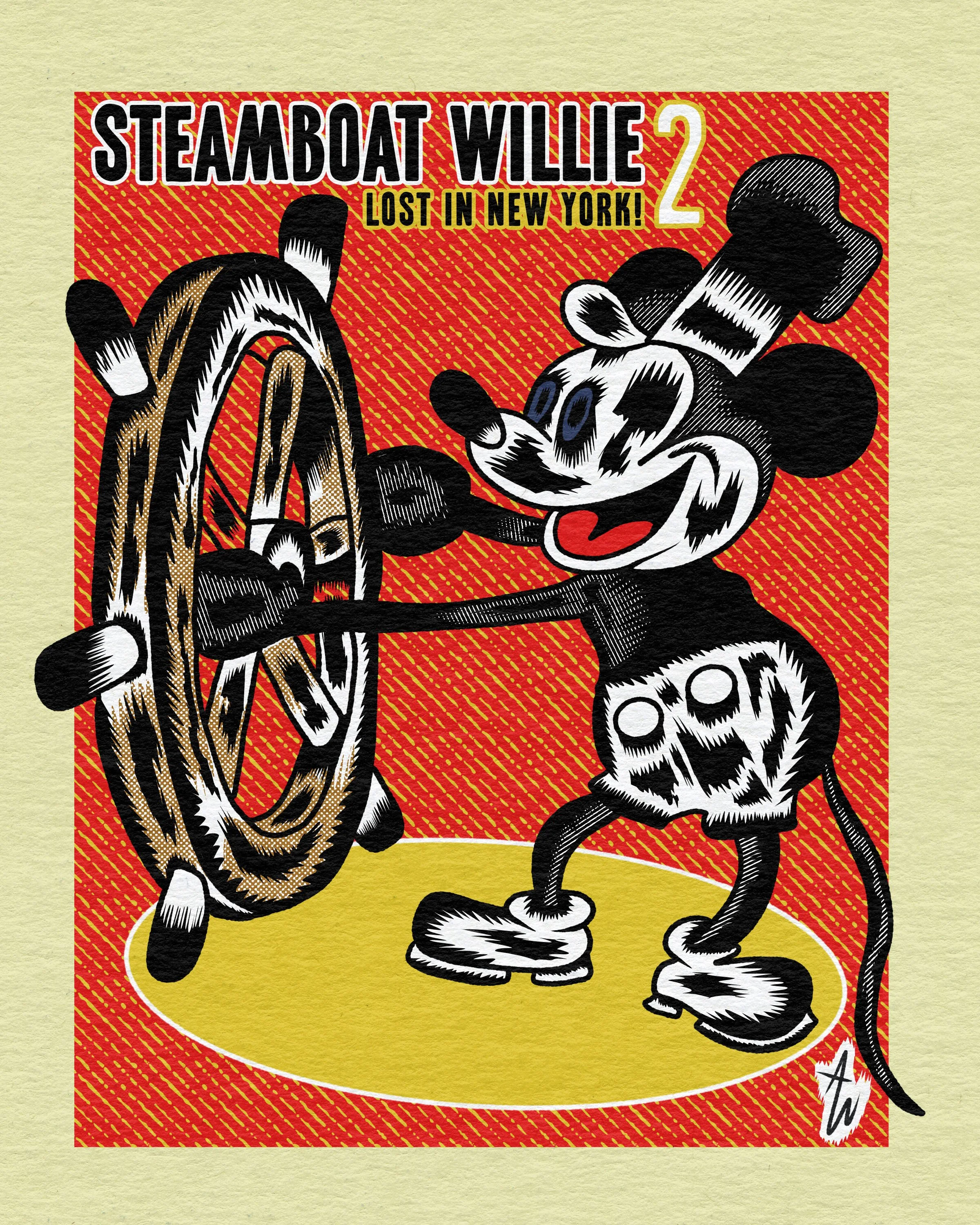
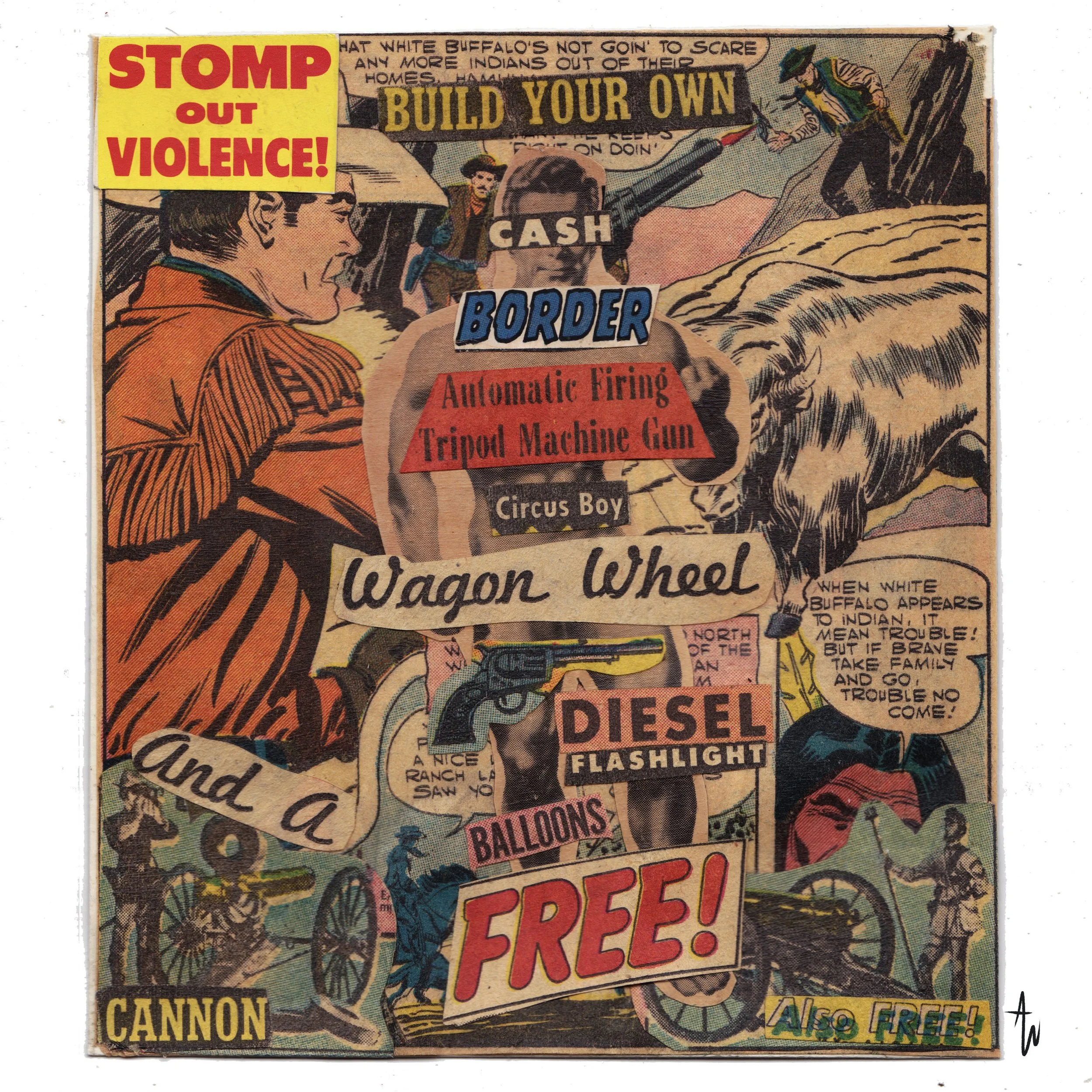
Logos. Type. Print. Illustration. The stuff that makes someone pick it up off the shelf and not put it down.
Golden Age comic archive, 1945–46. Four issues digitized. Full design system, ecommerce, and operational backend — built from nothing.
Multi-location ecommerce and inventory. 500+ SKUs across 3 locations. Real-time sync, automated reordering. Operational infrastructure that runs without supervision.
Claude API pipeline for a 500+ SKU catalog. Product copy, dynamic pricing, inventory forecasting. The kind of automation that earns its keep.
Brand identity, packaging, custom illustration, marketing collateral. Full visual world-building from logo to point-of-sale.
Real problem — operational, creative, or both — submit a work order. Response within 48 hours with scope, timeline, and estimate.
Designer. Builder. Operator. Ordained minister. Worcester, Massachusetts.
I build brands and the systems behind them. Logo to logistics. Identity to inventory infrastructure. The work is as varied as the people who need it. The work has to function on Monday morning — looking good is a requirement, not the point.
Worcester, Massachusetts. 40 miles west of Boston. I work alone and bring in people I trust when the job calls for it.
I'm an artist, designer, writer, and ordained minister. The work moves between worlds because I do. Most real operators are the same way: they're not one thing, and the best work you can do for them understands that.
Every project — logo, ecommerce platform, logistics system, apparel drop, campaign poster — gets measured against two questions:
If the answer to either is no, it goes back. That's it. No exceptions for tight deadlines or difficult clients.
That standard came from being raised between worlds — a small engine shop where things either ran or they didn't, and my old man's studio where things either said something or the pages got scrapped. Watching his workflow gave me a real education in what the life of a successful freelancer actually looks like. You don't get to ship something that doesn't mean anything. When a job is bigger than one person, I bring in people I'd hire again.
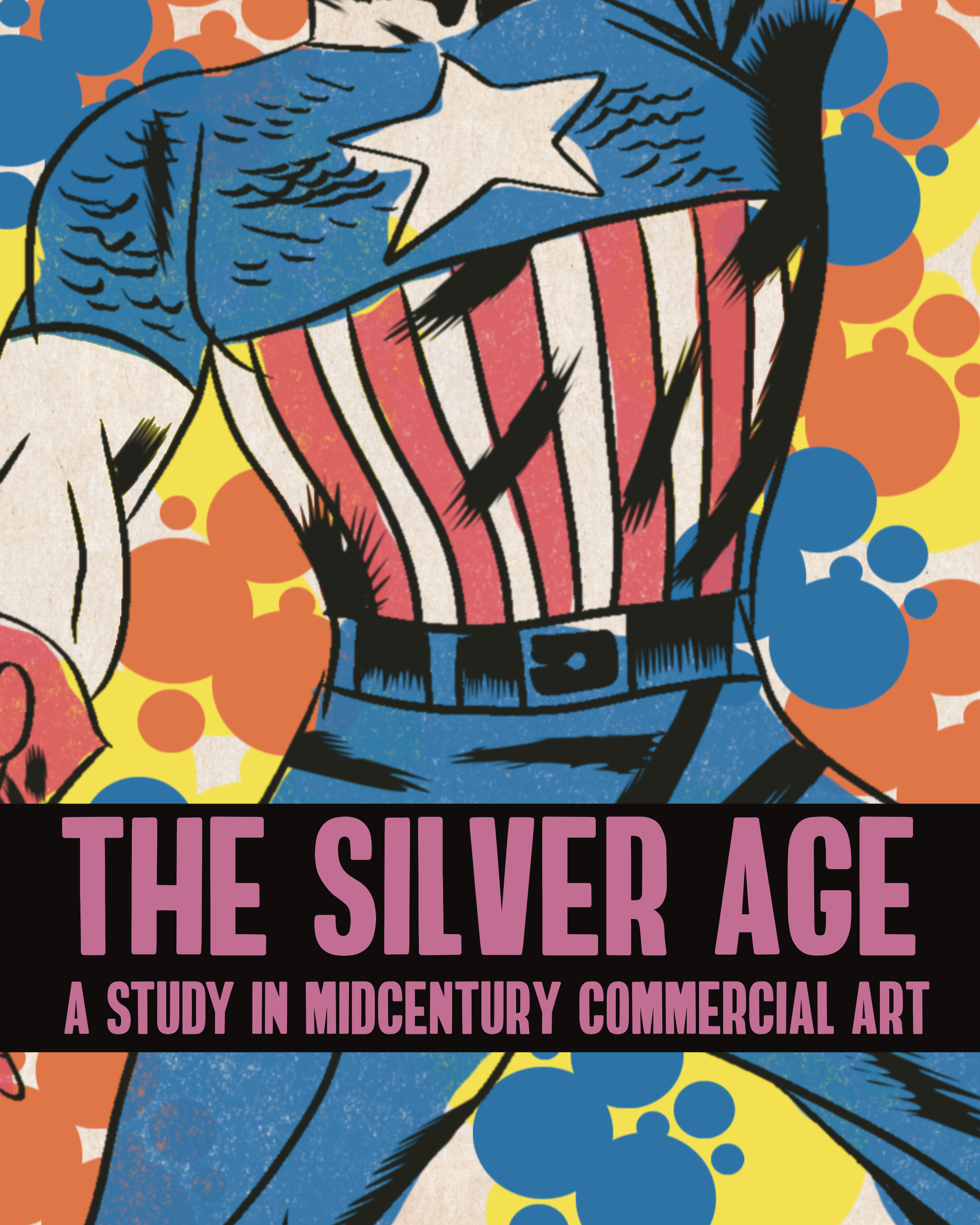
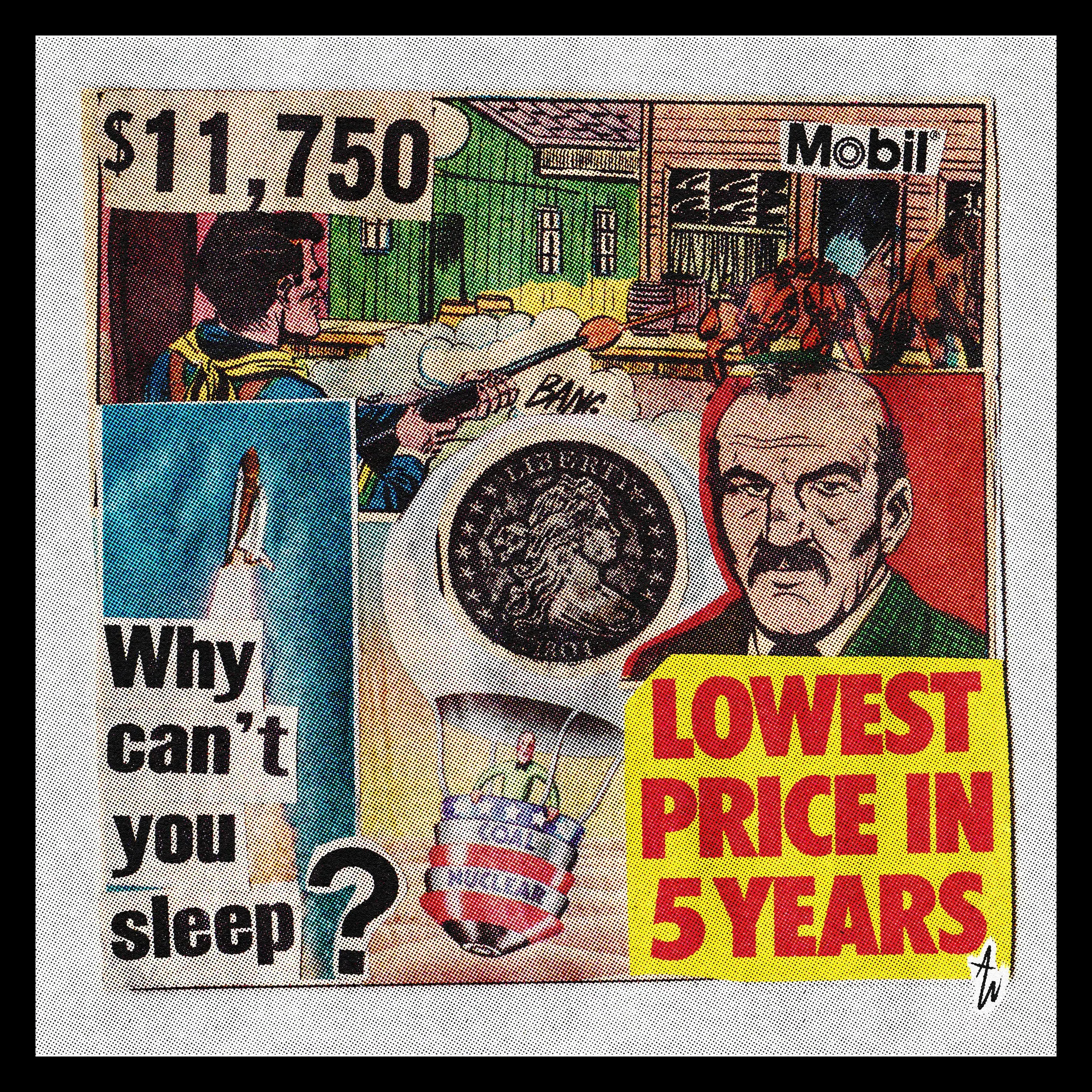
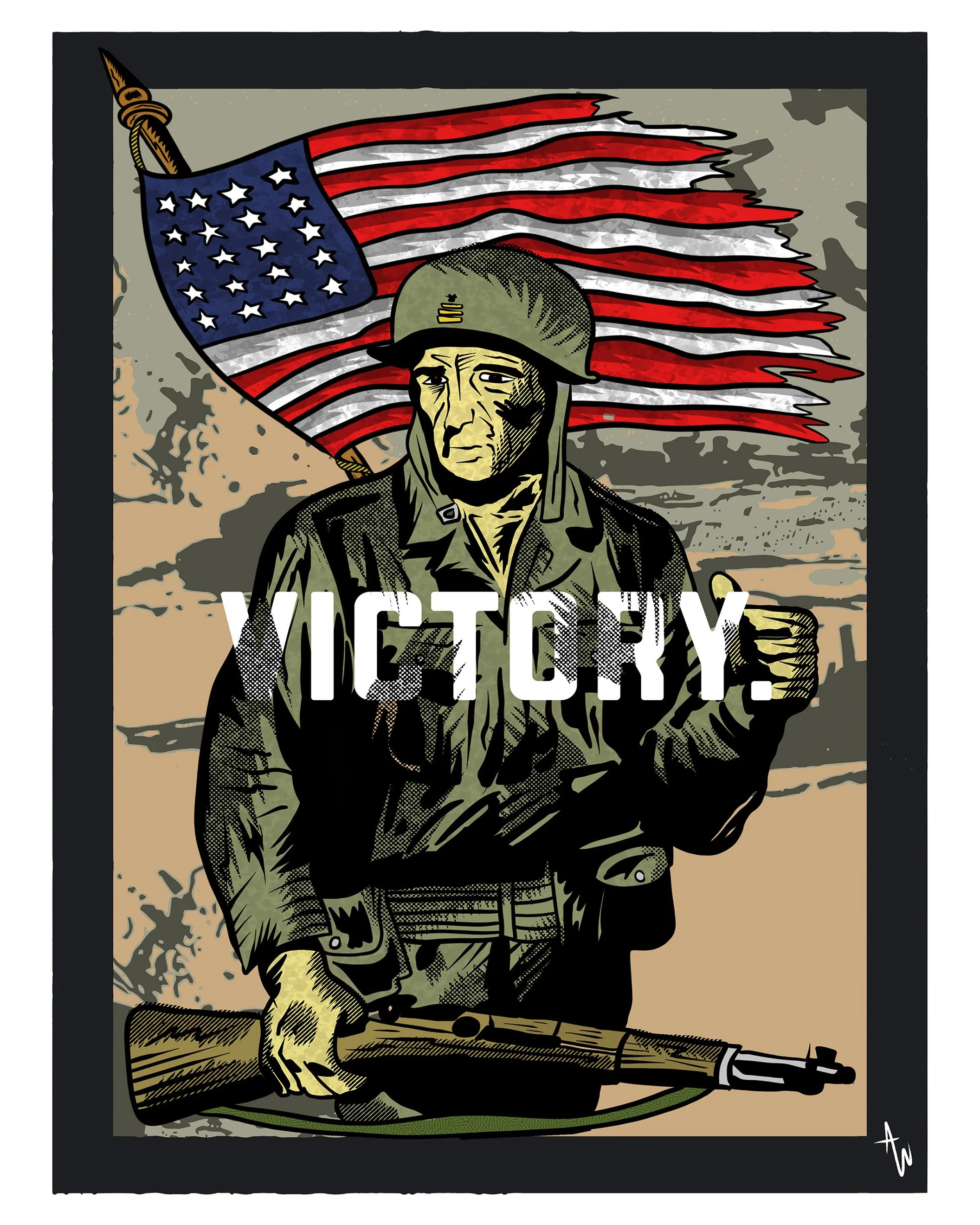
Goldwater. Kennedy. The Great Society. The graphics of the American mid-century political tradition — bold type, flat color, direct message, no apology. Design that works at billboard scale and still holds up in your hand.
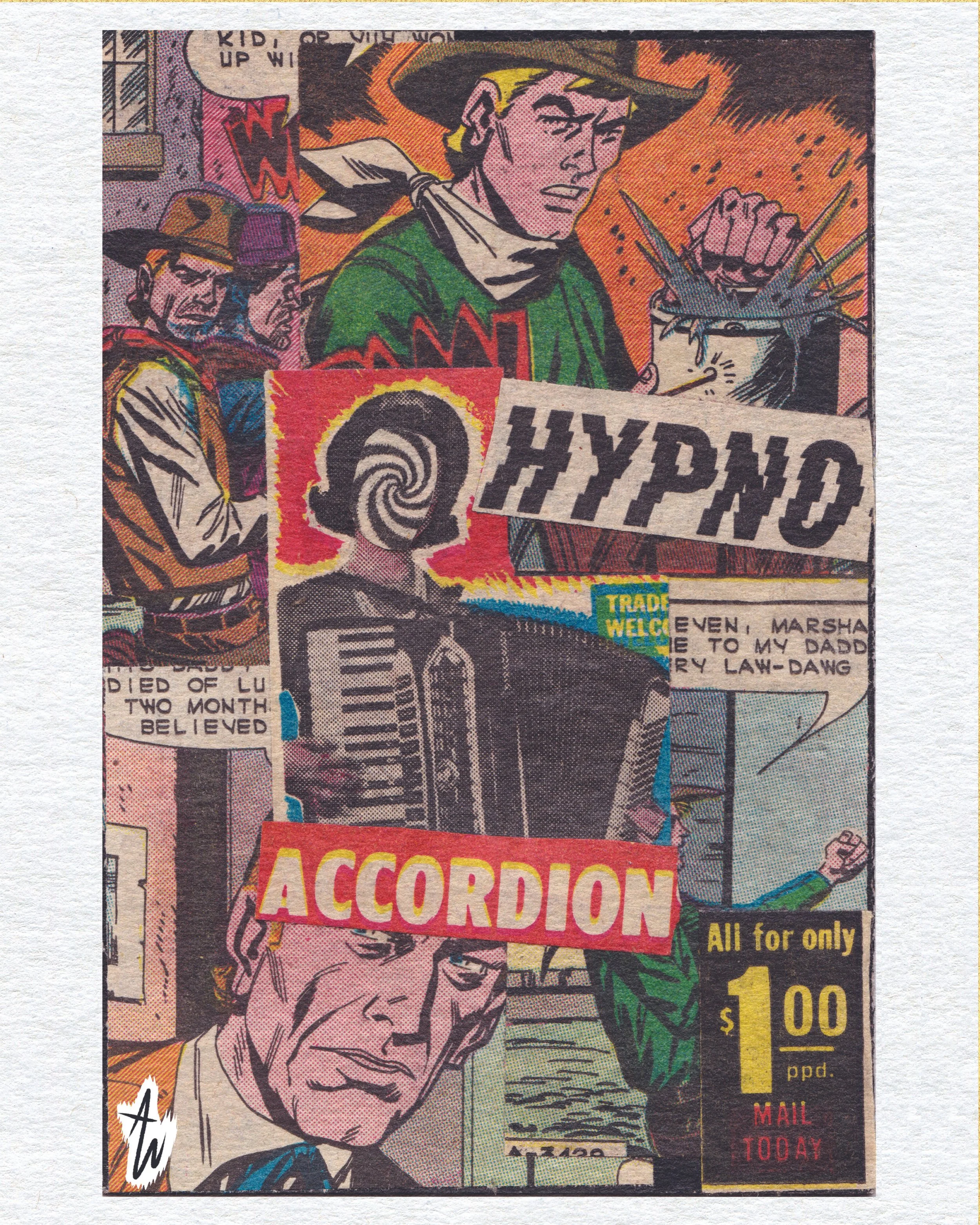
Jack Kirby and Joe Simon invented the visual language of American heroism and never got enough credit for it. Joe Maneely was the best draftsman at Marvel before anyone called it Marvel. Fletcher Hanks was out of his mind in the best possible way. Mid-century commercial art at its most alive — deadline work that still holds up as fine art.
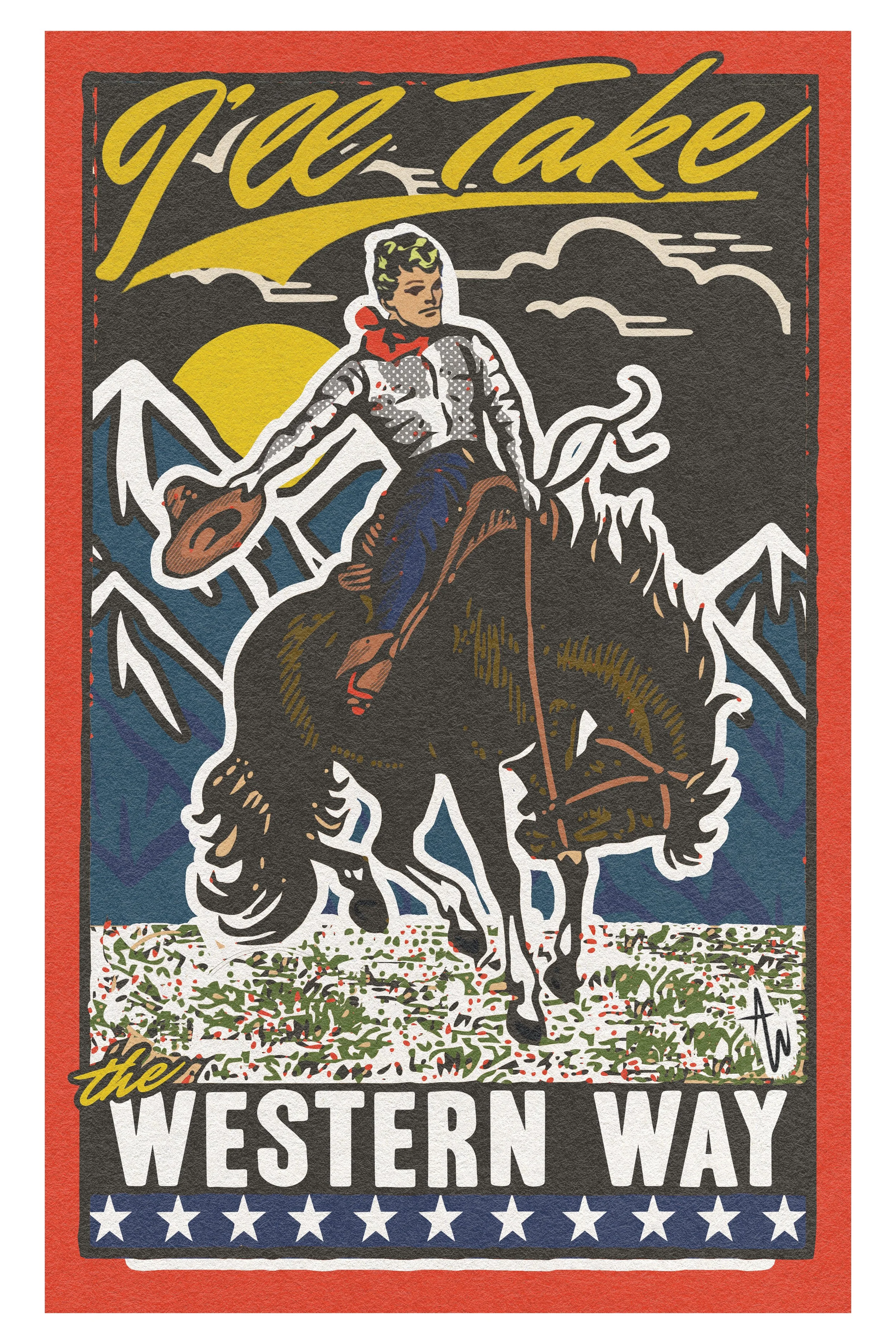
The first artists I was exposed to seriously. Their work taught me that American art can be serious, layered, and unsentimental — folk tradition with genuine depth. Winslow Homer especially. The man did not waste a mark.
Years in the supply chain for small brands taught me that operations is the most underrated creative discipline. A well-designed system is invisible when it works. That's the whole goal.
Understanding what a file actually needs to do — separations, registration, ink order, halftone angles, mesh count — changes how you design from the start. A lot of designers hand off garbage to printers and blame the printer. I learned the press side first. It shows in the files.
Father. Artist. Writer. The reason the studio looks the way it does and the reason the work has to mean something. Most of what I know about drawing, design, and not cutting corners traces back to watching him work.
Four things I do well. One standard across all of them: does it work and does it mean something? If the answer to either is no, it goes back.
Submit a Work Order →Logo, type, color, packaging, illustration, apparel. Identity built to work at every scale — on a billboard, on a label, on a hang tag. I've designed for food brands, political campaigns, comic publishers, and one-person operations. The brief is always the same: make it mean something and make it last.
"Took a regional food brand from farmers' market table to national distributor shelf — full identity, packaging system, and apparel program built from scratch."
Squarespace builds, Shopify custom development, custom checkout flows, inventory management, payment integration. From product upload to fulfillment optimization — the whole stack.
"Moved a client from 50 manual orders a month to 500 automated ones. Custom fulfillment dashboard, inventory sync, zero manual reconciliation."
Claude API workflows, content generation, decision support tools, inventory forecasting, dynamic pricing. Automation that works without getting in the way.
"Built a product copy engine for a 500+ SKU catalog. Marketing-ready descriptions, batch-processed. Reduced labeling time by 60% and removed a full-time equivalent of manual work."
Custom dashboards, real-time inventory tracking, multi-location systems, supplier integration, automated reordering. Built for the constraints operators actually face — not ideal-scenario infrastructure. I've run these systems myself. I know where they break.
"Three locations. 500+ SKUs. Real-time sync, automated reordering, exception flagging. The owner stopped thinking about inventory."
Submit a work order. Describe the actual problem, not the solution you think you need. I'll respond within 48 hours.
Flat-rate estimate, timeline, and deliverables list. A simple contract. No billing surprises, ever.
You see the work as it develops. Not just at the end. Check-ins as needed, not on a forced schedule.
You own the files, the code, the accounts. Everything. Full documentation. I'm available after launch if something breaks.
Selected projects. Some I can talk about fully, some I can't. These are the ones I can.
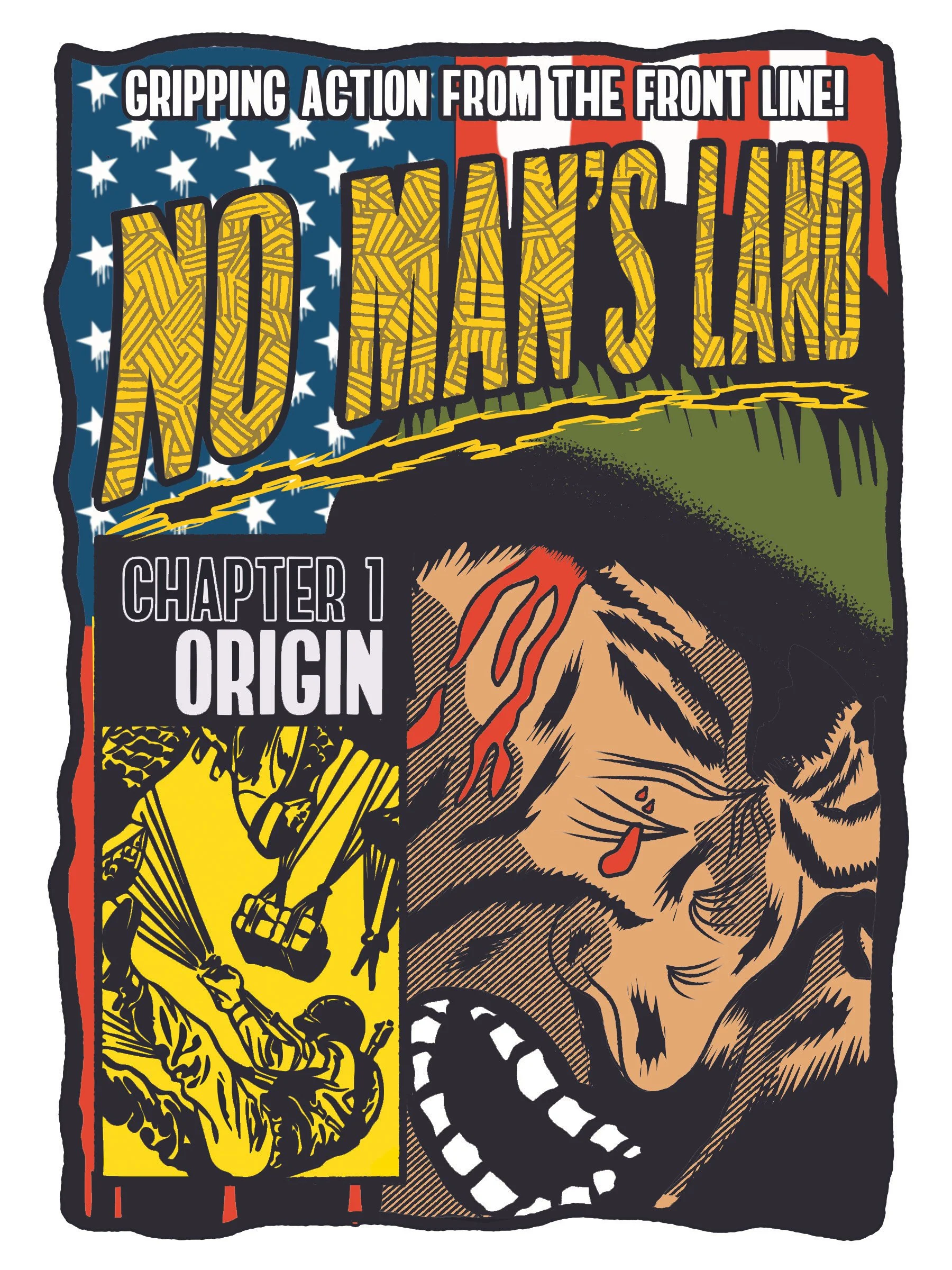
The Challenger Club is an anti-fascist comic archive from 1945–46. Four issues, hundreds of pages, fully digitized and accessible to the public.
The role: operator-in-chief. From scratch — built the design system, ecommerce platform, content management infrastructure, community engagement framework, and operational backend.
It's a working enterprise, not a portfolio piece. Still running.
Complete visual identity from logo to merchandise:
Custom Squarespace build with extensions:
Logistics and fulfillment infrastructure:
Archive accessibility + engagement:
Large-scale ecommerce platform with multi-location inventory sync, supplier integration, custom fulfillment dashboard. 500+ SKUs across 3 locations.
Brand identity, packaging design, marketing collateral, custom illustration. Visual world-building from logo to point-of-sale materials.
AI-powered product copy generation, dynamic pricing, inventory forecasting. Integrated Squarespace + Claude API workflow that scales.
Real-time inventory tracking, automated reordering, exception flagging with AI. Operational dashboard built for actual constraints.
Prints, apparel, and collectibles out of the studio. Everything is limited. Nothing is made twice.
Challenger Club material in product form. Garment-dyed apparel, archival prints, and collectibles. Designed in the studio, printed locally in Massachusetts.
View the Drop →Posts will appear here once published via the admin dashboard.
Read on Substack →Work order for real projects. Message for everything else. I read both.
For real projects. Tell me what you're trying to build, what's broken, or what you need to get out of your head and into the world. I'll respond with scope, timeline, and a straight number.
Questions, collaborations, press inquiries, or something you're not sure how to categorize yet. I'm a one-person operation — you're talking to me directly.
Tell me about the project. I'll respond within 48 hours with scope, timeline, and a straight number.